Spring and early fall
Dethatching vs. Aeration: Which Does Your Lawn Need?
How Connecticut homeowners can tell the difference between thatch buildup and soil compaction before scheduling lawn repair.
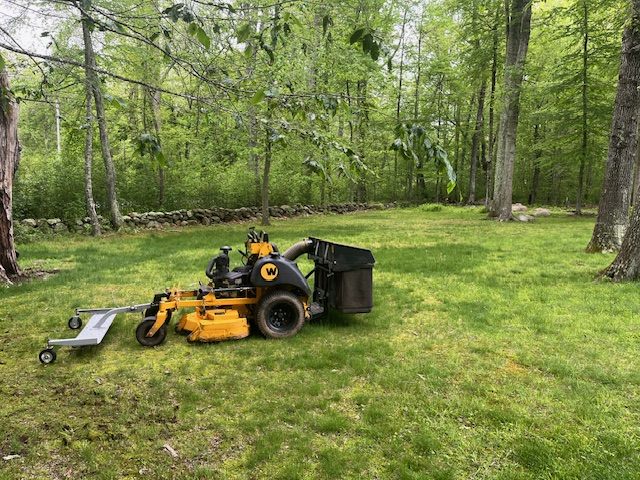
Dethatching removes the dead layer above soil. Aeration relieves compaction below the surface. Some lawns need one, and some need both.
Quick answer
Dethatching and aeration solve different problems. Dethatching removes a thick layer of dead grass and organic material above the soil. Aeration opens compacted soil below the grass.
If the lawn feels spongy, thatch may be the issue. If the soil feels hard and water runs off, compaction may be the issue.
What dethatching does
A little thatch is normal. Too much can block water, air, and nutrients from reaching active roots. Power dethatching pulls up that dense layer so the lawn can breathe again.
After dethatching, loose debris should be cleaned up. The lawn may look rough at first, but the goal is to reset the surface so healthy grass has room to grow.
- Removes dense dead grass buildup
- Helps water reach the soil surface
- Prepares the lawn for Aeration with Overseeding
- Can be useful in spring or early fall
When both services make sense
Some lawns have both problems: a thick thatch layer above and compacted soil below. In that case, Dethatch/Aerate and Overseed may be planned as a combined service so the lawn gets a full seasonal reset.
Common questions
Is dethatching the same as aeration?
No. Dethatching works above the soil surface. Aeration relieves soil compaction below the surface.
When is dethatching available?
Spring and early fall are common windows, depending on lawn condition.